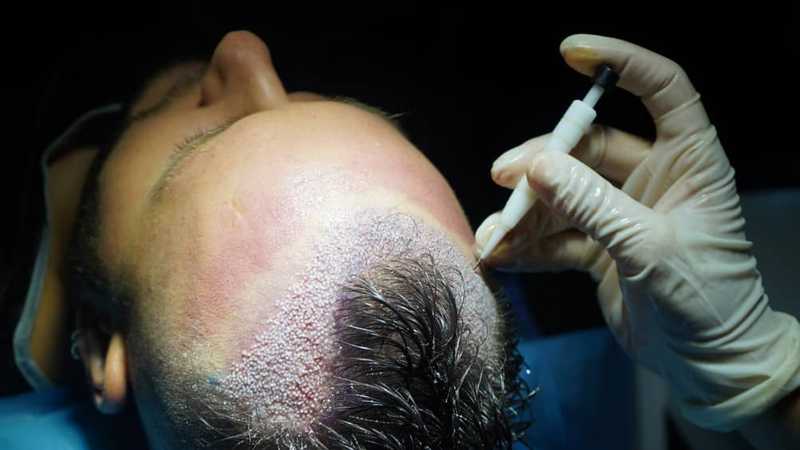
Hair Transplant Operations: Give Your Hair Vitality and Natural Appearance
Hair transplantation is a surgical procedure in which healthy hair follicles are transplanted from one part of the body, usually the back or side of the head, to areas that are sparse or bald. This procedure is increasingly gaining popularity as a permanent solution to hair loss and allows for natural-looking results and increased self-confidence. Here is a closer look at hair transplant operations:
1. Follicular Unit Transplantation (FUT):
- FUT is also known as the strip method and usually begins by removing a thin strip of scalp from the back of the head.
- Specialized surgeons transform this strip into hair follicles containing successive follicular units.
- The grafts are meticulously placed in the area of hair loss or thinning.
- FUT is a reliable method, especially for those with advanced hair loss, and can provide significant hair restoration results.
2. Follicular Unit Extraction (FUE):
- FUE is a more advanced hair transplantation method that does not require scalp strip removal like FUT.
- Instead, individual follicular units are harvested directly from the donor site using a specialized micro-punch instrument.
- The grafts are transplanted to the area of hair loss.
- FUE leaves minimal scarring and allows for a faster healing process.
3. Direct Hair Transplantation (DHI):
- DHI is an advanced variation of FUE and performs extraction and implantation without creating incisions beforehand.
- This method uses a special implantation tool and transplants hair follicles directly into the recipient area.
- DHI provides precise control over the angle, depth and direction of the transplanted hair, resulting in a more natural look and faster healing process.
4. Robotic Hair Transplant:
- Robotic hair transplantation operations perform the extraction and transplantation of hair follicles with an automated robotic system.
- The precision of the robot allows for precise harvesting and placement of the grafts, thus increasing the chances of success of the operation.
5. Recovery and Postoperative Care:
- After hair transplantation, patients are given appropriate recovery and post-operative instructions.
- Transplanted hair may initially fall out, but new hair growth starts within a few months.
- Patients are advised to avoid strenuous activities, direct sunlight and certain hair care methods during the recovery period.
Hair transplant operations have evolved significantly and offer effective and permanent solutions for hair loss. It is important to make sure you work with experienced surgeons to achieve the best results. In addition to restoring your hair, a successful hair transplant can also help you achieve a natural and youthful appearance.