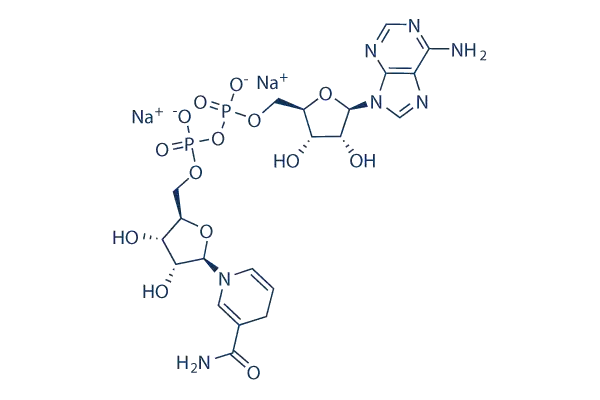
NADH (Nicotinamide adenine dinucleotide - NADH) is a coenzyme and form of vitamin B3 (niacin). It plays an important role in the energy production process in our cells, especially in the electron transport chain process known as cellular respiration.
Functions of NADH:
- Energy Generation: NADH is a critical component in cellular respiration, participating in the electron transport chain and contributing to the production of adenosine triphosphate (ATP), the basic energy unit of our cells.
- Antioxidant Effect: NADH also acts as an antioxidant by neutralizing free radicals. Free radicals are harmful molecules that damage cells and contribute to aging and various diseases.
- Brain Function and Mental Clarity: Some studies suggest that NADH may have a positive effect on cognitive function and memory, but more research is needed in this regard.
- Support in Mitozone: NADH plays a role in supporting mitochondrial function, which is vital for intracellular energy production and overall cellular health.
Reinforcement and Resources:
NADH can be found in small amounts in various foods such as meat, fish, nuts and seeds. However, NADH is also available as a dietary supplement in capsule or tablet form.
Caution and Considerations:
NADH supplementation is generally considered safe when taken in appropriate doses, but it is important to consult with a healthcare professional before starting a new supplement. Certain medications or health conditions may interact with NADH, so it is important to discuss your specific condition with a qualified healthcare professional.
Like any supplement or treatment, the effectiveness of NADH may differ from person to person and individual responses may vary. It is therefore important to approach supplements with caution and seek guidance from a healthcare professional to determine whether NADH is appropriate for your specific health needs.
"The content of this page is for informational purposes only, please consult your doctor for diagnosis and treatment."