


What is PRP (Platelet Rich Plasma)?
PRP takes its name from the English expression "Platelet Rich Plasma"; in Turkish, it is platelet enriched plasma. The basic idea is to mobilize the body's own repair power with natural components from within the body. The first step of the application is to take a very small amount of blood from a vein under sterile conditions. This blood is passed through a process called centrifugation in special tubes, whereby the cellular elements in the blood are separated from each other and a portion of plasma with increased platelet density is obtained. This plasma, which contains a large number of growth factors, is returned to the targeted tissue with small injections.
Platelets are thought to be involved only in the clotting process, but these cells are the most important carriers of biological signals involved in tissue regeneration. In this way, PRP supports the healing cycle naturally, without the addition of drugs or foreign substances. Although the most well-known uses of this approach are hair loss and skin rejuvenation, it can be preferred in a wide range of areas from orthopedics to dentistry, from wound care to sports injuries, as deemed appropriate by the physician.
In Which Situations is PRP Preferred?
PRP aims to help tissues repair themselves by utilizing the growth factors contained in platelets. In medical practice, it can be used for indications such as leg wounds that do not close for a long time (especially due to diabetes and varicose veins), tendon problems and repetitive strains such as tennis elbow, and supporting healing following implant surgeries. In the aesthetic-dermatologic field, it is used to strengthen the brightness, elasticity and integrity of the skin against cell renewal that slows down with age. The decrease in collagen and elastin fibers over time, which is the main cause of wrinkles and sagging, is tried to be balanced by the repair process triggered by PRP.
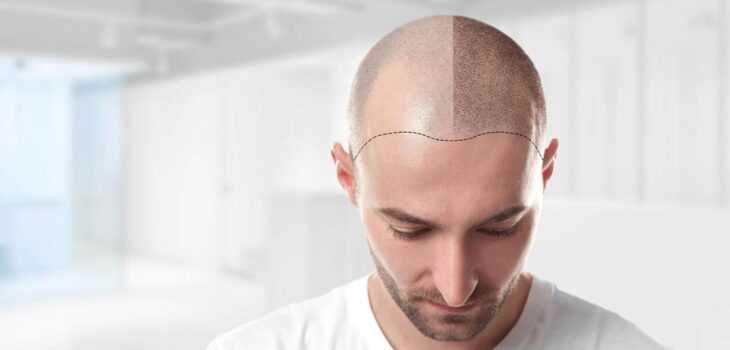
Hair treatments stand out as a separate topic. Genetic predisposition, hormonal fluctuations, stress and environmental factors can negatively affect the nutrition of hair follicles. PRP contributes to slowing down hair loss and making existing hair look healthier by directly delivering the growth signals they need to the follicles. The permanence of the effects is increased with regular treatments.
Expected Gains from PRP
The goal of PRP cannot be reduced to a single result; it may have different benefits depending on the area of application. On the skin, the goal is to restore shine and elasticity, lighten the appearance of fine wrinkles, strengthen the integrity of the tissue while combating blemishes and dullness. On the scalp, the goal is to revitalize the follicles, reduce the rate of hair loss and promote a stronger structure of the hair strands. In cases where skin integrity is compromised, such as wounds and cracks, it is desired to accelerate the repair cycle; it can also help the healing process to progress more comfortably after procedures such as laser. In orthopedic problems, it is aimed to reduce inflammation in joints and surrounding tissues and to support the repair of damaged tendon-cartilage structures. In appropriate cases, it can also be considered as a non-surgical option for Achilles tendon injuries.
How to Implement?
PRP is a medical procedure that should be performed by experienced physicians and under sterile conditions. First, blood is taken from the patient, usually in the range of 10-15 ml. The blood is centrifuged in special tubes containing gel and at the end of this process, which takes a few minutes, the plasma is separated from the other components. The plasma with increased platelet density is injected in small doses with fine needles into the areas planned for the procedure. The session itself is short; it is completed within half an hour on average. At the end of the procedure, most people can return to their daily life on the same day.
The frequency of treatment is planned taking into account the targeted area and individual response. A course of 3-4 sessions at 2-4 week intervals is often preferred; afterwards, it is aimed to maintain the gains achieved with one or two reminder sessions per year. In hair treatments, some physicians may also turn to combined applications with mesotherapy; this is determined by the physician according to the needs of the person and the type of hair loss.
PRP Process and Expectations in Hair Treatment
A daily hair loss of 100-150 strands is considered natural; an increase above these limits requires evaluation. The process in PRP hair application is practical and organized: A small amount of blood is drawn venously, platelet-rich plasma is obtained by centrifugation, and this plasma is administered by micro-injections to the areas where hair loss is more pronounced. The aim is to improve vascular beds and surrounding tissue conditions by delivering growth factors to the hair follicles. No significant pain is expected during the application; the needles used are very thin. After the procedure, there is no visible scar and return to social life is usually immediate.
The session plan can cover 3-4 months, initially 15 days apart, after which the results are maintained with supportive treatments once a year. Preparation of the plasma from the patient's own blood significantly reduces the risk of allergic reactions. In the first months, a decrease in the dull appearance of the hair, an increase in vitality and a slowdown in the rate of hair loss are among the early findings reported by most patients. The expectation of new hair growth varies from person to person; even in cases where genetic predisposition is predominant, regular treatments are likely to be beneficial. Hair transplantation You can click to get information about our content that answers all the questions you have in your mind and talk to our expert team.
PRP for Skin Rejuvenation
With age, the skin experiences a biological slowdown similar to the injury process: Collagen and elastin production decreases, structural deterioration occurs in existing fibers, and moisture retention capacity decreases. PRP supports this cycle biologically, paving the way for a faster and more regular reconstruction. Although the face, neck and décolleté are the most preferred areas, the back of the hand, inner arms and legs can also be included in the treatment. When applied immediately after procedures such as laser and chemical peeling, the skin recovery process can proceed more comfortably.
The effect of the sessions is gradual. Usually, a significant improvement in the dry and dull appearance of the skin is noticed from the first applications; in the following months, a decrease in fine wrinkles and an increase in the elasticity of the skin can be observed. PRP does not only target the existing signs of aging; since it also aims to slow down the rate of aging, it should be considered as a proactive care choice instead of a "wait-and-see" approach. A course of 3-4 sessions planned with an average interval of 2-4 weeks is considered a good start for most people; afterwards, it is recommended to maintain the results obtained with repeated courses every year.
Notes on Effect Duration and Care After PRP
The feeling of brightness, fullness and vitality observed in the skin and hair becomes evident in the first months; it may naturally lighten a little over time. For this reason, it is appropriate to maintain the results with intermittent reminder sessions and complementary skin care treatments deemed appropriate by the physician. Simple precautions such as not bathing on the day of the procedure, avoiding intense sun for the first 24 hours, and not applying chemical treatments to the scalp for the first 48 hours (dye, keratin, etc.) increase comfort and reduce the likelihood of unwanted effects.
The Place of PRP in Pain and Orthopedic Problems
PRP is also a meaningful support method in the musculoskeletal system. The growth factors carried by platelets help to balance the inflammatory process and biologically promote the repair of damaged tendon and cartilage tissues. PRP can be utilized in selected patient groups deemed appropriate by the physician in cases of arthritis complaints in the knee and hip joints, pain in the shoulder region, anterior cruciate ligament injuries, recurrent ankle sprains and heel spurs. It can also be considered as part of a planned approach for complaints of pain due to muscle spasm and tension, known as "kulunç" in everyday language.
In the case of knee arthritis, cartilage wear due to age or strain initiates an inflammatory cycle within the joint. This cycle accelerates cartilage damage by increasing pain and swelling. Growth factors injected into the joint with PRP aim to calm this process, slow down the destruction and increase the comfort of movement. The effect varies according to personal factors, the stage of the disease and the life habits that accompany the treatment; therefore, the evaluation must be made by a physician examination.
Frequently Asked Questions
How Does PRP Work in Hair, How Long Does It Take?
PRP for hair is basically based on triggering tissue regeneration. The venous blood sample is centrifuged, the platelet-rich plasma is separated and then injected into the thinning areas of the scalp using a method similar to the napaj technique with superficial and many small needle touches. The session lasts an average of 30 minutes; no significant pain is expected during the procedure. Most people return to their daily life immediately after the treatment. The initial protocol usually lasts for several months at 15-day intervals, after which annual single-session reminders may be sufficient to maintain results. The most important advantage is that the plasma used is completely personal and biological, which reduces the possibility of allergic reactions to very low levels.
Session Plan and Combinations in PRP
PRP requires a patient approach. When three to four treatments are performed for the skin at 2-4 week intervals, the first changes manifest themselves as brightness and improvement in moisture balance; more permanent results may occur in the following months due to increased collagen synthesis. In cures planned for hair, the rate of hair loss slows down at first; with the strengthening of the roots, the hair strands appear more vibrant and alive. In some people, in cases accompanied by genetic hair loss, additional methods such as hair mesotherapy may be preferred to support the results. The physician should decide which combination is appropriate after examination and history evaluation.
"The content of this page is for informational purposes only, please consult your doctor for diagnosis and treatment."